Join us every Saturday for free wine tastings from 12-5!
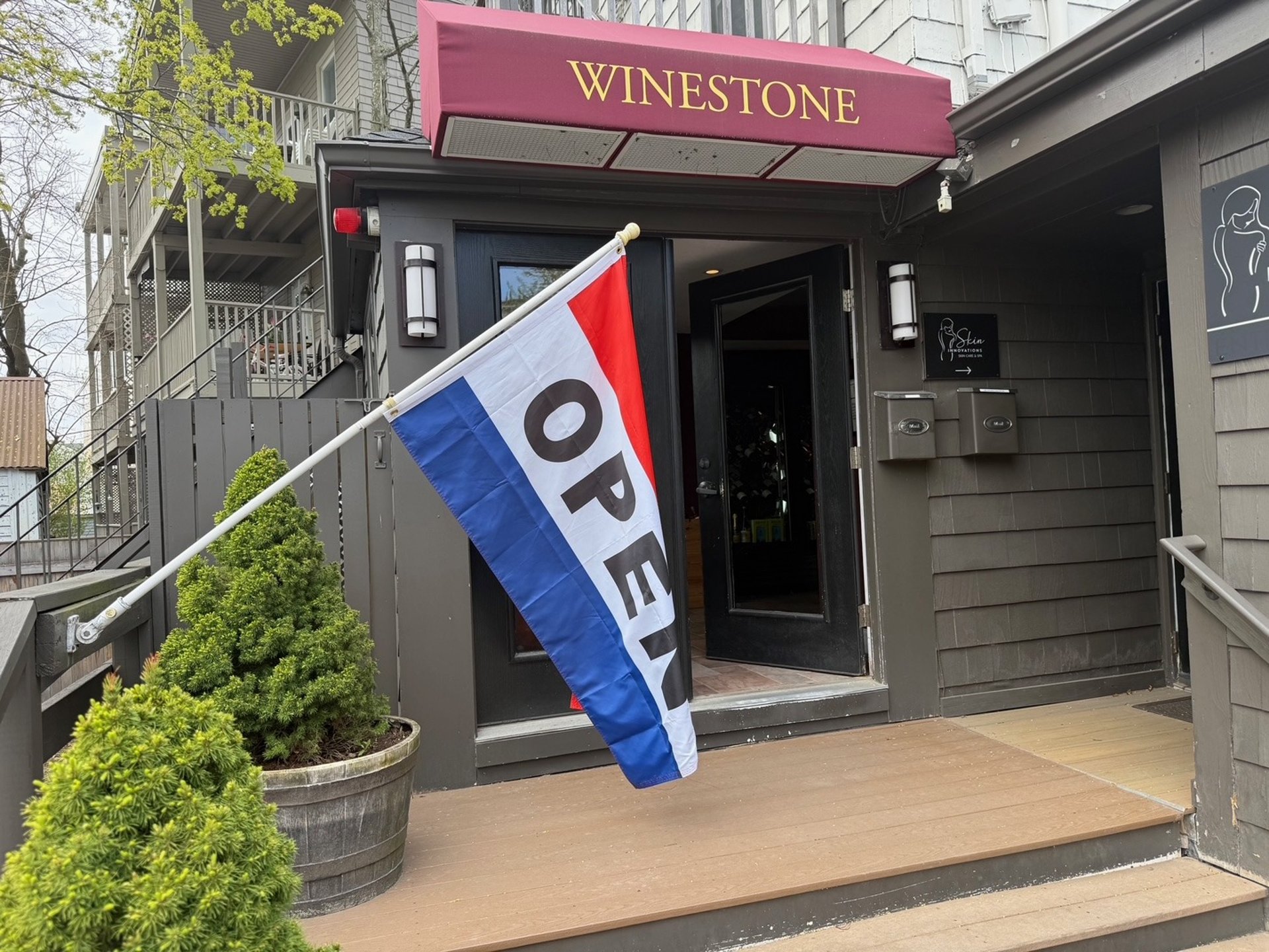
The Top Rated Wine Shop in Boston
The Shop
Saturday Wine Tastings
Expert Advice
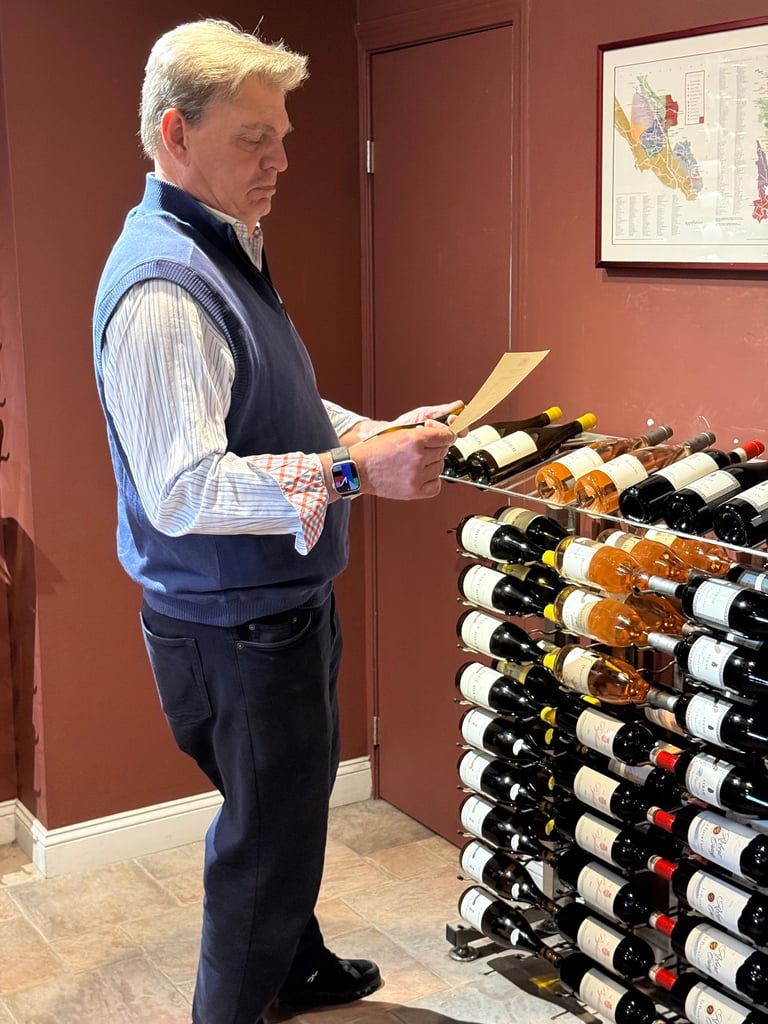
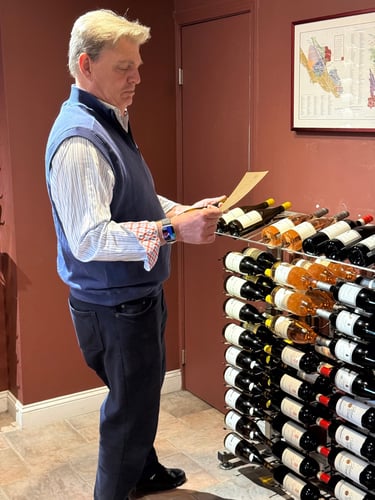
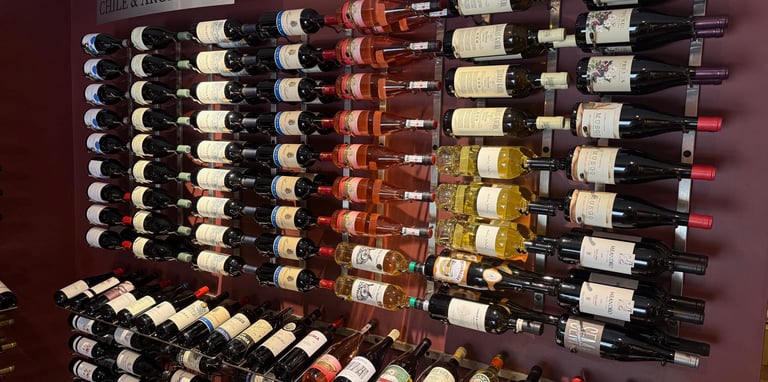
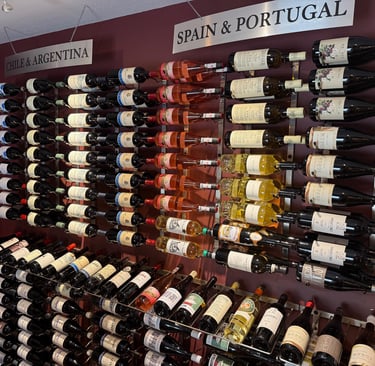
At Winestone, every bottle earns its place on the shelf. We look for wines with character, balance, and a sense of where they come from, whether it’s a longtime favorite or something new to discover. The result is a shop filled with bottles we genuinely believe in and are excited to recommend.
Join us for our weekly Saturday tastings, where we open a thoughtful lineup of wines and give you a chance to discover something new before you bring it home. It’s casual, welcoming, and a great way to taste through different regions, grapes, and styles with guidance from people who know and love the wines.
Whether you know exactly what you like or have no idea where to start, we’re here to help. Our team knows the bottles on our shelves and loves matching people with wines that fit the moment, the meal, and the budget. No snobbery, no pressure. Just thoughtful guidance and a good bottle to take home.
The Winestone Difference
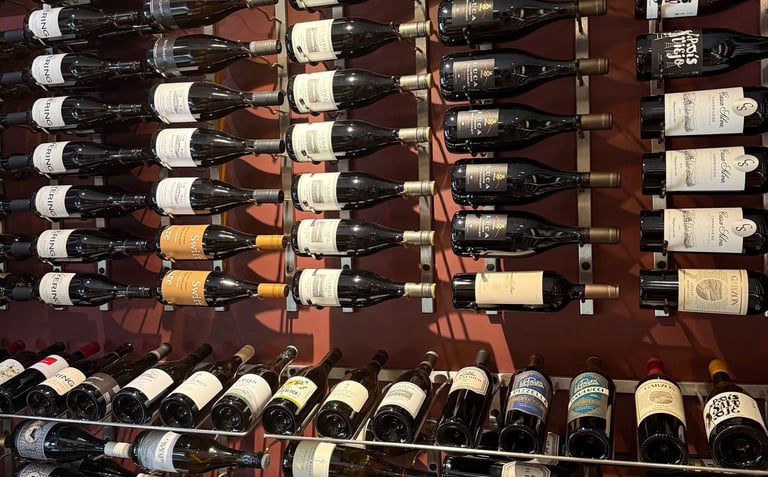
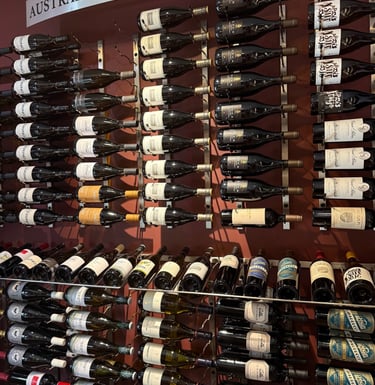
At Winestone, we want buying wine to feel easy, not intimidating. Our shop is designed differently, but the idea is simple: good wine, thoughtfully chosen, at fair prices. You may not see the same big-name bottles you find everywhere else, and that is intentional. We look for wines with character, balance, and value, and we taste what we buy so we can stand behind what is on the shelf.
What matters most is helping you find the right bottle. Maybe it is for dinner, a gift, a party, or just week night pizza. We are happy to talk through what you like, what you are eating, and what you want to spend. Our team brings years of restaurant and wine experience, but we keep the conversation practical and friendly. We also carry a small, carefully chosen selection of spirits and sake, and if there is something you are looking for, just ask and we'll try to special order it.
"IInstantly became my new favorite wine shop in the Boston area. Patrick is extremely knowledgeable and has always recommended me great wines. Amazing selection and good prices. This is definitely the shop to go for your wine! "
Jen Beachell
"Winestone is a wonderful attitude-free resource. I can walk in hunting the perfect burger wine or pairings for an eight course dinner menu and confidently leave with a great bottle for each course matching my budget. Patrick and his staff are deeply knowledgeable, thoughtful and great to work with. Don’t let the low-key shop exterior fool you-this is a serious place run with a smile."
Kate Neave
★★★★★
★★★★★
★★★★★
"I love this wine store, it sources unique wines globally and offers the full spectrum of flavor palettes at all different price points. I always walk away with something delicious to bring as a gift or take home to try. The owner keeps a log of my purchases so I don’t forget what I like! this is a family run store owned by local people who love wine and neighbors! try it out. "
★★★★★
"We had a wonderful experience at Winstone thanks to Patrick, the owner. He helped select a beautiful variety of wines for my friend’s wedding, and his recommendation of a Sancerre was the best I’ve ever had, it’s now our go-to wine. Patrick is patient, knowledgeable, and incredibly helpful. Highly recommend Winstone for both special occasions and everyday favourites.."
Fred Schaper
Rebecca Hunziker
Customer Reviews
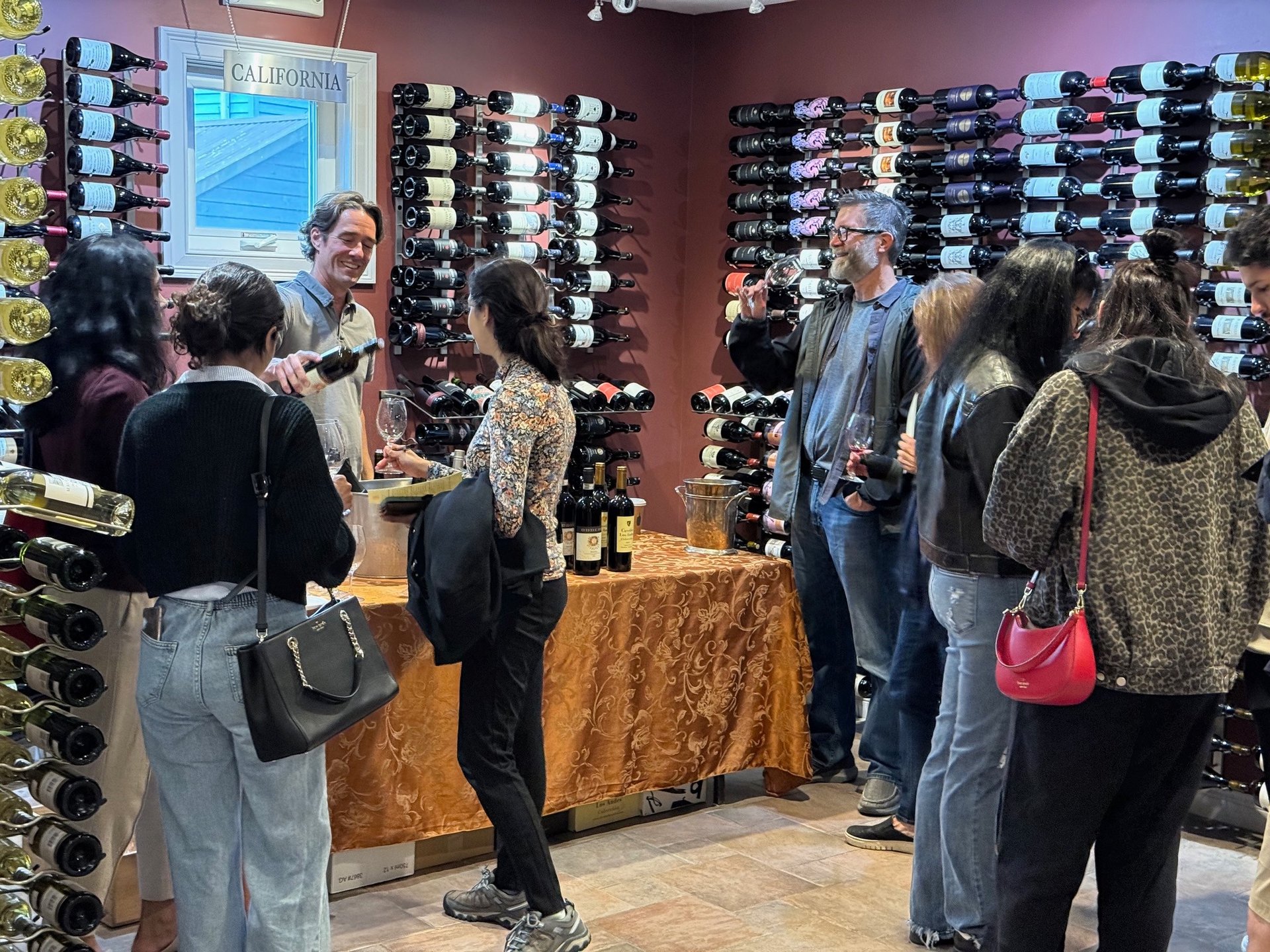
Join us Every Saturday for Wine Tastings from 12-5 pm
June 6: Blind Tasting Challenge
Ever Wondered How Good your Palate is?
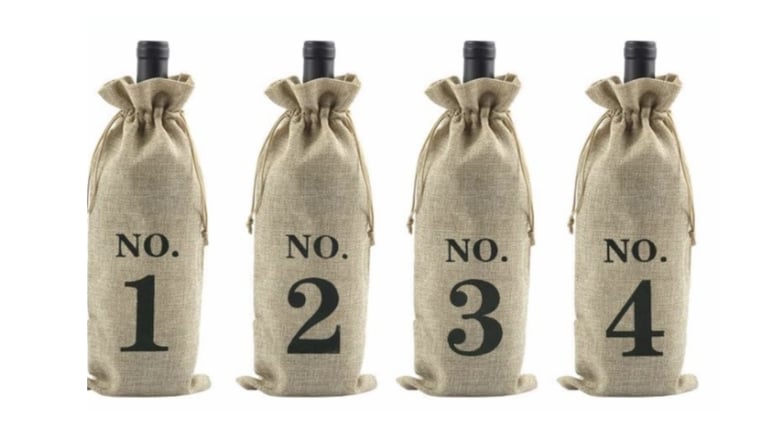
This Saturday, we’re hiding the labels and putting your senses to the test with a Blind Tasting Challenge. Come taste with us, trust your instincts, and see what happens when the wine does the talking.
You’ll taste four wines and try to identify:
The grape variety
The country
Bonus points for the specific region
The top tasters will win a prize, along with very well-earned bragging rights.
Why Try Blind Tasting?
Blind tasting is one of the best ways to discover what you truly love, without being influenced by a label, reputation, region, or price. You pay closer attention to what’s in the glass: the aromas, the texture, the fruit, the structure, and that first honest impression.
It can also be a lot of fun.
One of the most famous blind tastings of all time was the 1976 Judgment of Paris, when French judges shocked the wine world by ranking California Chardonnay and Cabernet Sauvignon ahead of top wines from Burgundy and Bordeaux. The result changed how people thought about California wine and proved that great bottles can come from unexpected places.
This Saturday, we’ll keep things a little less dramatic, but just as entertaining.
Join us for an afternoon of discovery, laughter, and a little mystery. You might just surprise yourself.